01
Technical due diligence
We assess the technical viability of CEA projects, identifying design, climate, technology, energy and operational risks before investing or acquiring assets.
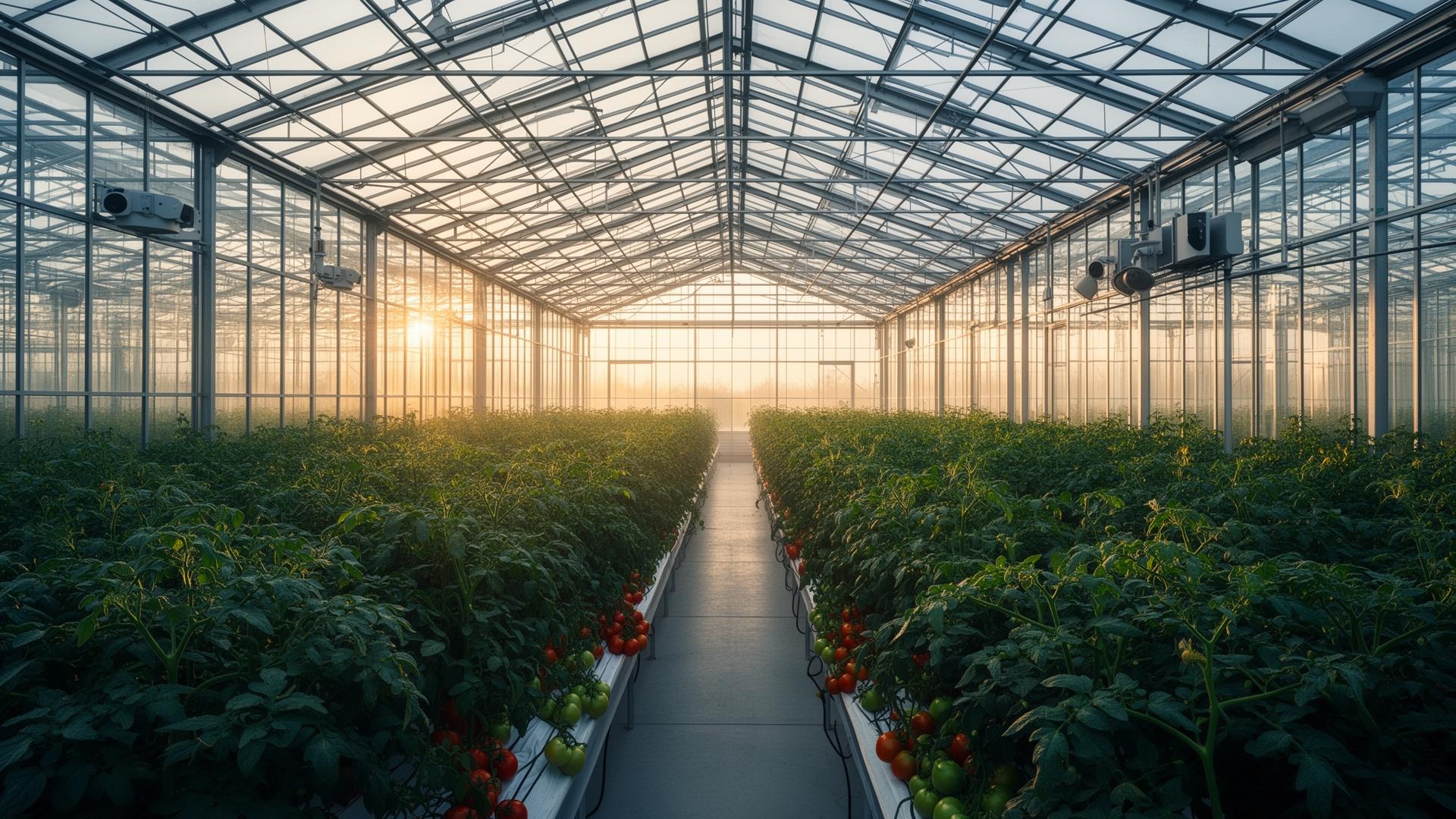
We help investors, growers, operators and agro-industrial developers decide which technology to install, what yield to expect, what energy consumption to assume and which technical risks could undermine project profitability.
We do not sell equipment. We evaluate technological decisions with independent, quantified judgement, focused on the real viability of the project.
About
Independent judgement
We evaluate technologies, configurations and strategies without depending on suppliers or manufacturers.
Quantified decisions
We translate climate, crop, energy and operation into comparable scenarios and actionable KPIs.
Real viability
We connect technical design with CAPEX, OPEX, expected yield and operational risk.
Generandi GreenTech exists to close a critical gap in CEA project development: many decisions are still shaped by suppliers, technology trends or weakly comparable climate extrapolations. Our role is to provide independent, quantified and technically sound judgement to define robust greenhouse configurations before investing, building or scaling an operation.
We integrate climate data, energy simulation, crop physiology and techno-economic analysis to compare scenarios, anticipate risks and make decisions with greater confidence.
What we do
We support greenhouse projects from initial assessment through operational optimisation, combining climate analysis, technology design, simulation and techno-economic judgement.
We assess the technical viability of CEA projects, identifying design, climate, technology, energy and operational risks before investing or acquiring assets.
We analyse radiation, temperature, humidity, VPD, thermal demand, ventilation and water availability to define productive strategies tailored to each environment.
We compare ventilation, heating, cooling, screens, CO₂, LED lighting, dehumidification, HVAC and fertigation alternatives against production and profitability targets.
We define greenhouse configurations, systems and operating criteria to align climate, crop, energy, investment and scalability.
We build physical-productive models to compare technology scenarios, estimate consumption, detect climatic bottlenecks and quantify impacts on production, quality and profitability.
We analyse existing facilities to improve energy efficiency, productivity, water use, climate control and techno-economic performance.
We prepare technical criteria, scenario comparisons, KPIs and recommendations for investors, developers, funds, governments and agro-industrial groups.
Digital twins applied to CEA
For Generandi GreenTech, a digital twin is not a 3D visualisation. It is a physical-productive model that integrates climate, crop, technology, energy and operation to simulate scenarios and anticipate the techno-economic behaviour of a project. It allows configurations to be compared, consumption to be estimated, climatic limits to be foreseen, sensitivity to be analysed, and impact on production, quality, efficiency and profitability to be quantified.
Evaluation of different ventilation, cooling, heating, screen, CO₂, lighting and dehumidification configurations.
Estimates of expected yield, kg/m², quality, transpiration and crop response.
Electrical consumption, thermal demand, kg/kWh, L/kg and CO₂ efficiency.
CAPEX, OPEX, operating margin, payback and sensitivity to prices, energy and yield.
Who we work with
We work with organisations that need to evaluate, design, finance, build or optimise greenhouse projects across diverse climates and markets.
To improve yield, energy efficiency, crop quality and operational stability of new or existing facilities.
To assess technical risks, CAPEX/OPEX, profitability scenarios and viability before committing capital.
To design scalable, comparable projects adapted to climate, crop, market and expansion strategy.
To define technified agricultural projects with food security, water efficiency, climate adaptation and regional development criteria.
To validate configurations, contrast design hypotheses and reinforce proposals with independent technical analysis.
Technical leadership
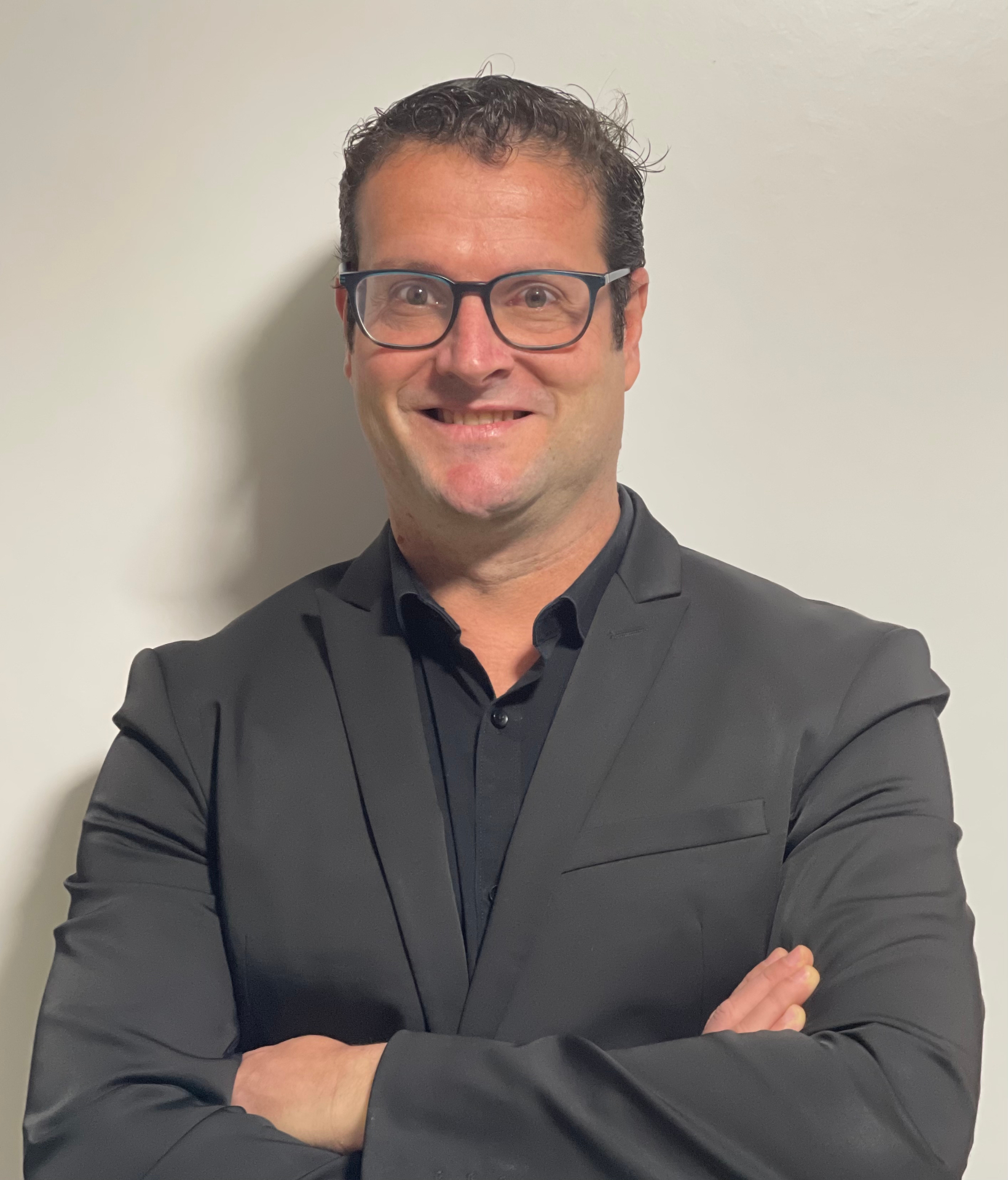
PhD Agricultural Engineer · Technical Director, Generandi GreenTech
An international reference in greenhouse technology, with more than 25 years of experience in design, assessment and optimisation of CEA projects across diverse climates and productive contexts. His work combines applied research, technical consulting and model development to improve climate control, energy efficiency, productivity and economic viability of high-tech facilities.
"Every CEA project must be evaluated from its climate, its crop, its technology and its operating model. There are no universal solutions; there are well-justified configurations."
Methodology
Our approach translates climatic, productive, energy and economic variables into scenarios that enable more precise decisions.
We analyse local climate, radiation, temperature, humidity, VPD, water availability and energy constraints.
We define productive goals, physiological needs, production windows, expected quality and climate control requirements.
We compare alternatives for structure, cover, ventilation, cooling, heating, screens, CO₂, lighting, dehumidification, HVAC and fertigation.
We model configurations to estimate yield, energy consumption, water demand, climatic limits and operational sensitivity.
We translate results into kg/m², kg/kWh, L/kg, CAPEX, OPEX, operating margin, payback and critical risks.
We deliver an independent technical recommendation, comparable scenarios and a roadmap to advance with design, investment, tender or operation.
Decision indicators
In CEA projects, the decision is not only technical. Every configuration must be justified by its impact on production, efficiency, operating cost and return.
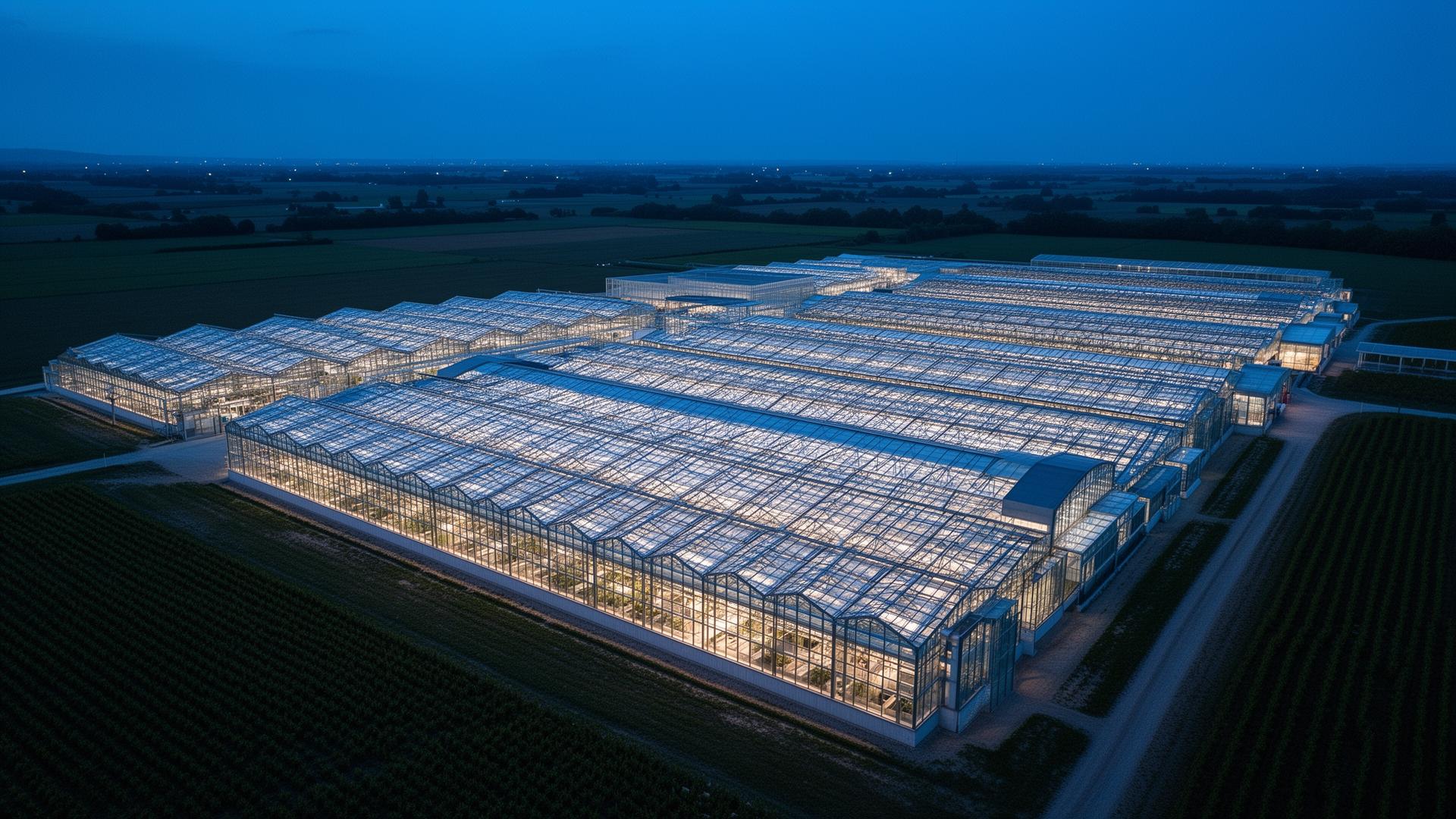
International experience
Generandi GreenTech works on CEA projects in highly diverse climatic contexts, where technological decisions must adapt to radiation, temperature, humidity, water availability and energy cost at each location. Rather than replicating solutions by country, we analyse the climatic and operational behaviour of each project to define viable, comparable strategies.
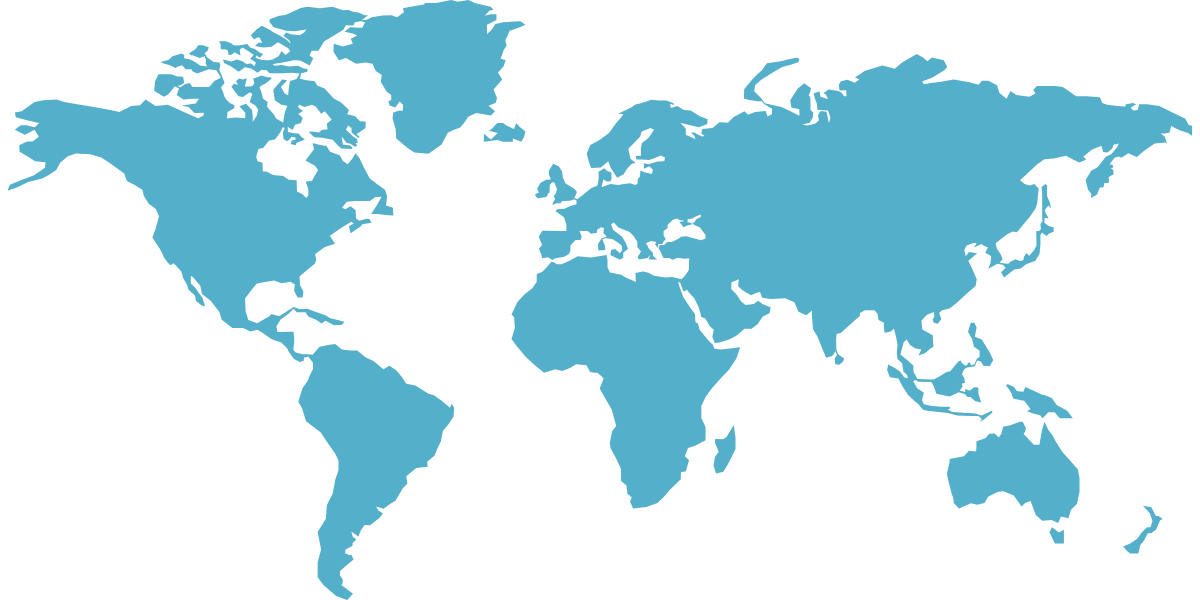
 EuropeMediterraneanNorth AfricaMiddle EastLatin AmericaAsia
Contact
Tell us what stage your project is in and which is the main technical or investment decision you need to resolve. We will review the initial information to prepare a useful conversation focused on concrete decisions.